
Submission Types
-
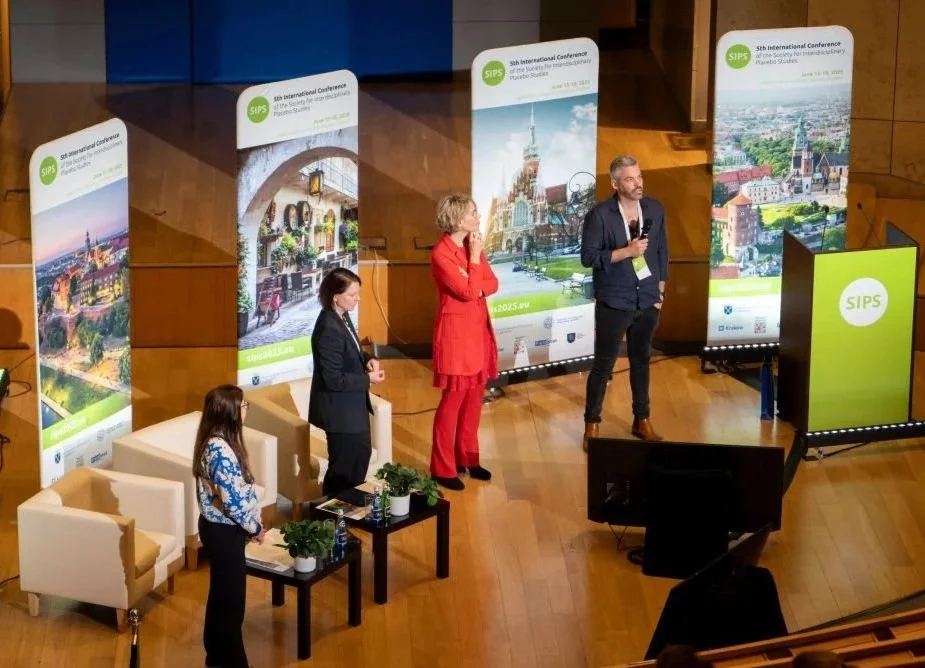
Topical Sessions
Discussion-driven sessions built around a timely, cross-cutting question, designed to generate conference dialogue through debate and audience engagement.
-
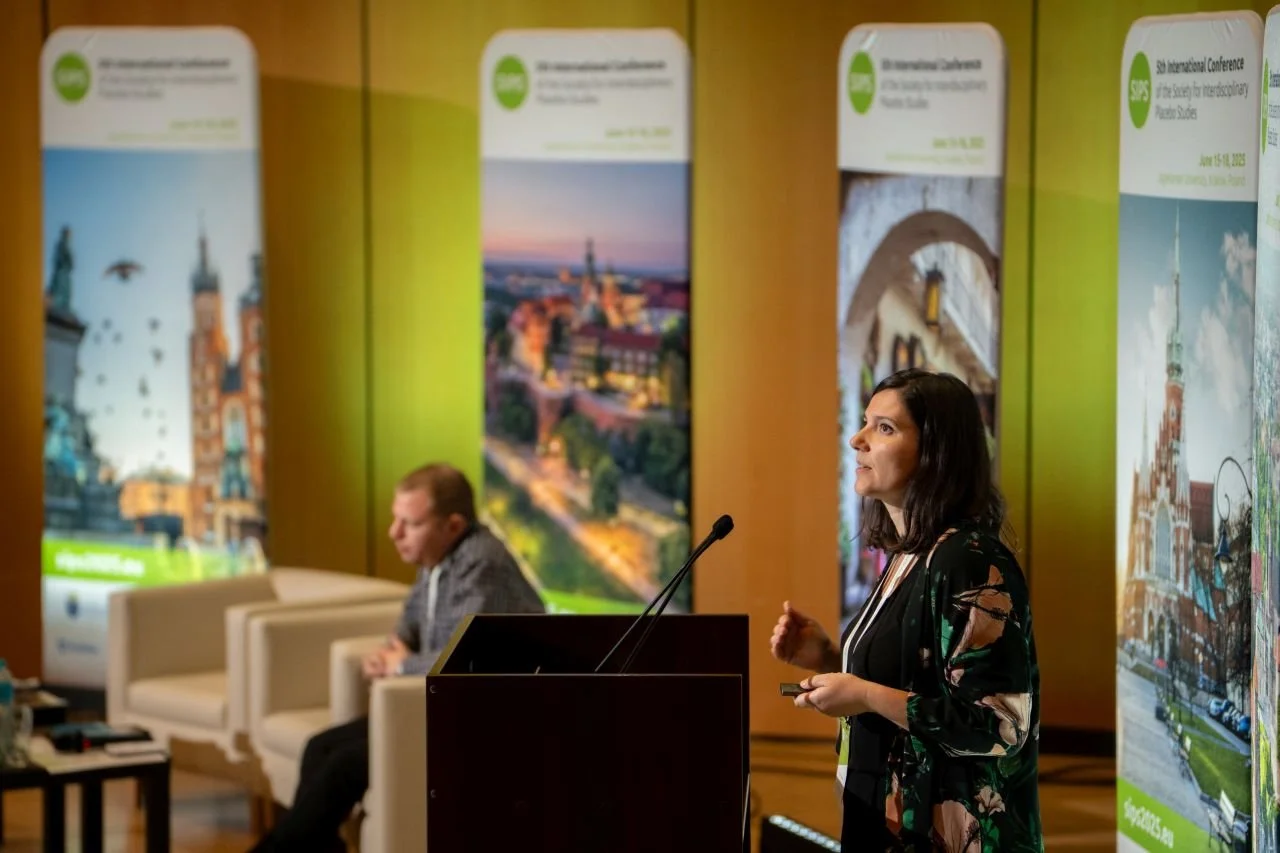
Symposia
Themed sessions that bring together multiple talks on a focused topic, method, or theory, offering a connected view of a defined research area.
-
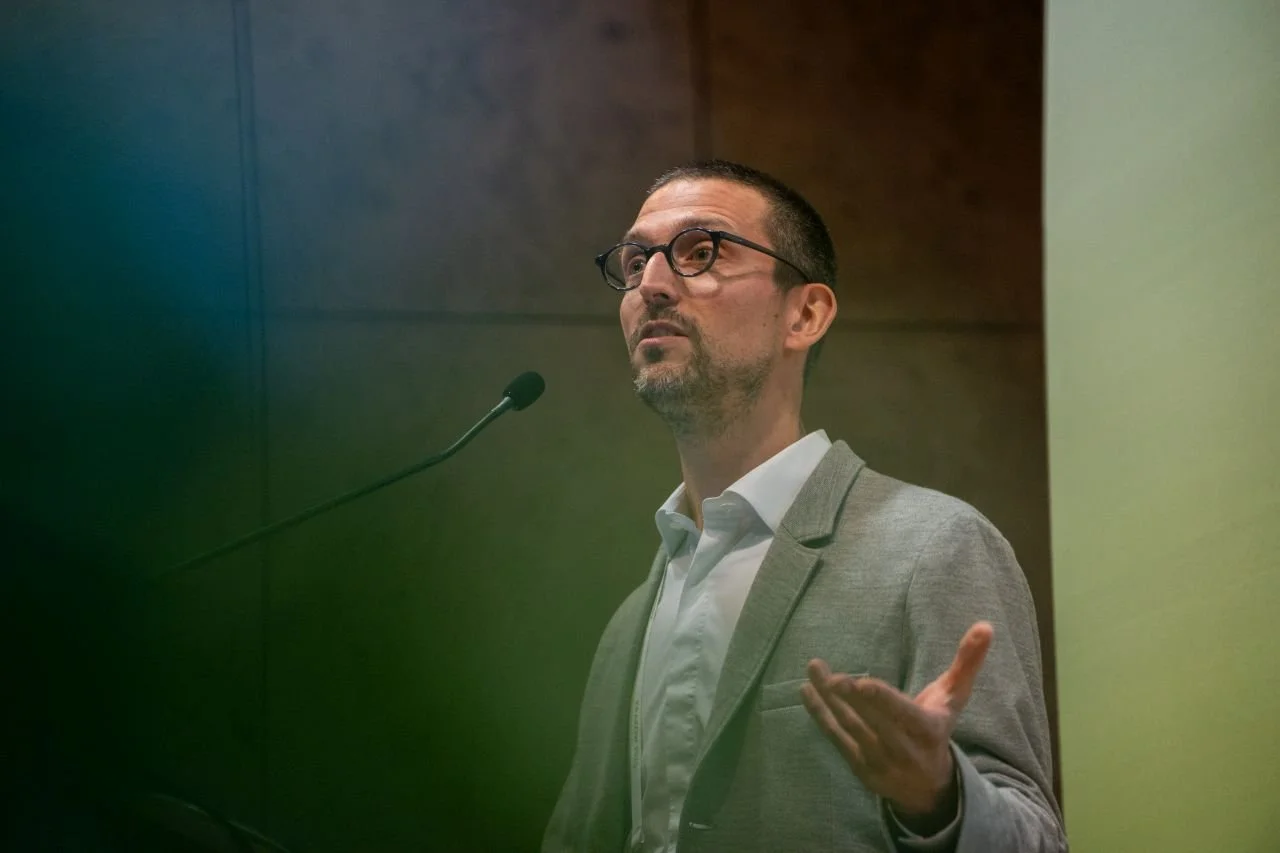
Flash Talks
Short presentations delivering one clear takeaway from a study, method, result, or idea, designed for rapid, accessible communication to a broad audience.
-
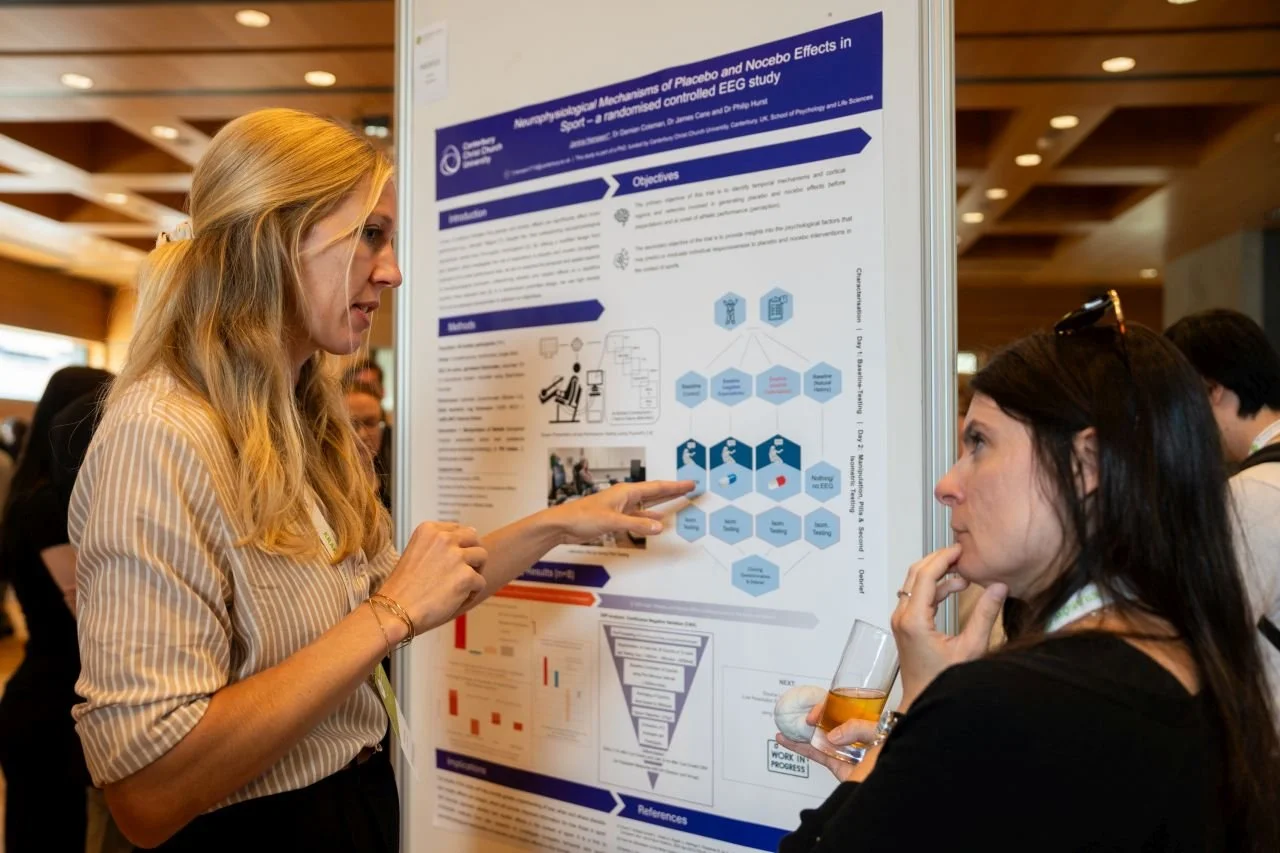
Posters
Interactive presentations that provide a forum for discussion of research, including experimental and clinical studies, as well as translational work.
Topical
Sessions
Key Dates
Submissions Open:
1 February 2026
Submissions Close:
22 March 2026¹
Outcomes Sent:
27 April 2026
Submissions close 11:59pm UTC on the date listed.
¹extended from 14 March 2026
-
Topical Sessions are designed to advance novel ideas, stimulate thought-provoking discussion, and tackle field-level questions of broad relevance to placebo and nocebo effects. The goal of these sessions is to shape conference-wide discussion and engage the full conference audience.
These sessions move beyond summarising existing evidence to offer new ways of thinking, fresh syntheses, or clear directions for future work, drawing on perspectives from multiple disciplines (e.g., psychology, neuroscience, medicine, philosophy, statistics, ethics, implementation science).
The format is entirely open. Topical Sessions may take the form of any combination of talks, structured debates, short provocations followed by extended discussion, panels, or audience-engaged formats. Submissions should explain how the proposed format supports synthesis, reflection, or critical discussion across perspectives.
While use of empirical data is encouraged to justify insights, Topical Sessions are intended to emphasise ideas and connections, rather than serve as extended presentations of individual research programs.
Topical Sessions will run as single-stream sessions in the main theatre (up to 90 minutes). Proposals involving contributors from multiple institutions and disciplines are encouraged, reflecting the aim of bringing diverse perspectives to major field-level questions. Due to their limited number, these sessions are expected to be highly selective.
-
Strong Topical Session proposals will:
Focus on a significant and timely field-level question or challenge
Cut across disciplines (e.g., experimental, clinical, methodological, ethical, implementation)
Prioritise conceptual synthesis, debate, and future directions
Use a format designed to engage the audience (e.g., inclusion of structured debate, panel discussion, audience participation and engagement)
Please note that Topical Sessions prioritise field-level discussion formats and groups wishing to submit integrated research presentations focusing on data can instead apply for symposia.
-
While the general format is flexible, proposals should adhere to the following criteria:
60 – 90 minutes in length
Minimum 3 contributors (with one contributor serving as the session chair)
Moderated discussion with active audience involvement encouraged
-
Proposals will be evaluated on:
Novelty and significance of the topic
Inclusion of multidisciplinary perspectives
Likelihood of stimulating broad, constructive discussion
Fit between the proposed format and the session purpose
-
Researchers and/or clinicians who can take a big-picture perspective and lead novel high-level discussions of key issues in the field are welcome to propose Topical Sessions.
Submissions require a one-page Expression of Interest (EOI) from the Topical Session chair. EOIs do not need to follow a fixed template, but must include:
Session title (clear, accessible title that reflects the central question or idea)
Provisional contributors with affiliations (including session chair)
Session overview and relevance (what will be addressed, and why it matters to a broad SIPS audience)
Explanation of topic novelty (i.e., how the ideas presented move beyond summarising existing work, how it introduces new ways of thinking, or has the potential to stimulate discussion that shapes future research, theory, or practice. The use and presentation of empirical data is permitted but should not be the focus of the session.)
Multidisciplinary scope outlining the disciplines or perspectives being drawn upon
Submissions for topical sessions have now closed.
Symposia
Key Dates
Submissions Open:
1 April 2026
Submissions Close:
15 June 2026¹
Outcomes Sent:
Late August 2026
Submissions close 11:59pm UTC on the date listed.
¹extended from 1 June 2026
-
Symposia bring together a coherent set of related presentations focused on a specific scientific topic, method, theoretical approach, or application relevant to placebo and nocebo effects. Their goal is to showcase connected work that advances understanding within a defined area.
Symposia are ideal for presenting empirical or theoretical contributions tackling a related issue through converging evidence across methods, or a focused methodological or translational theme. Proposals should clearly explain the overarching rationale for the symposium and how each presentation contributes to a cohesive narrative, rather than functioning as a set of loosely related talks.
-
Strong Symposia proposals will:
Present a clear and cohesive theme with a compelling rationale
Include a well-integrated set of talks (empirical and/or theoretical)
Demonstrate scientific quality, rigour, and relevance to SIPS
Clearly articulate how the individual presentations connect, complement one another, and build toward a shared contribution
Ensure the symposium is accessible to a broad placebo/nocebo audience (e.g., clear framing, defined key terms, explicit take-home messages)
-
60 – 90 minutes in length (to be confirmed on acceptance)
3 – 4 speakers
Chair to introduce the symposium, manage time, and facilitate discussion (note: the chair may be one of the presenters)
Brief discussion and Q&A (either at the end or integrated between talks)
-
Proposals will be evaluated on:
Scientific quality and contribution
Coherence and integration across talks
Relevance to conference themes and audience interest
Clarity of aims, structure, and take-home messages
-
This submission type is for researchers wishing to present connected work in a traditional symposium format. Submissions from all career stages are welcome, and inclusive speaker teams (e.g., across institutions, and career stages) are encouraged.
For symposium chairs
Symposium chairs should first submit details of the symposium proposal (e.g., title, chair, description) before any abstracts are submitted.After submitting the symposium proposal, chairs should invite contributors to submit their abstracts through Oxford Abstracts. Invited contributors will then receive an email from the system with instructions on how to attach their abstract and will be able to view the symposium when they log in.
Please ensure the invited email addresses are consistent with the contributors’ Oxford Abstracts account email address. If a contributor cannot see the symposium on their dashboard, a different email address being invited is the most likely reason.
Chairs who wish to present in the symposium must also submit and attach their own individual abstract separately. Chairs do not have to invite themselves and should be able to attach a submitted abstract to the symposium immediately. If the chair is not presenting, a separately submitted abstract is not necessary.
One week before the submission deadline, symposium chairs will receive an email confirming whether all associated abstracts have been successfully submitted and attached (therefore indicating the symposium submission is complete). If any abstracts are still outstanding, the email will indicate which contributors still need to submit and/or attach their abstract to the symposium.
Submissions for symposia proposals have now closed.For symposium contributors
Each contributor must submit their own individual abstract via the abstract submission form. Once submitted, the abstract can then be attached to the relevant symposium in Oxford Abstracts. This is only possible after the contributor has been invited by the chair.
Submissions for individual abstracts have now closed.Why are these submitted separately?
Symposium proposals and individual abstracts are handled separately so that the symposium can be considered as a package, while each abstract can also be reviewed on its own. This means that if a symposium is not accepted, individual abstracts may still be considered separately for a Flash Talk or Poster, where indicated by the submitter.Symposium chairs and contributors are also welcome to submit additional abstracts unrelated to the symposium, which can be considered separately for a Flash Talk or Poster.
Flash
Talks
Key Dates
Submissions Open:
1 April 2026
Submissions Close:
15 June 2026¹
Outcomes Sent:
Late August 2026
Submissions close 11:59pm UTC on the date listed.
¹extended from 1 June 2026
-
Flash talks are short, focused presentations intended to highlight a single key outcome, insight, or contribution, and to help a wide range of researchers share their work with the full conference audience. They are designed to be concise and accessible, giving attendees a clear take-home message and a reason to follow up on the ideas presented.
-
Strong Flash Talk submissions will:
Communicate a clear message (one question, method, result, practical implication)
Be accessible to a broad placebo/nocebo audience (i.e., relevance and implications are framed beyond a narrow subfield)
Prioritise clarity and impact over detail (“what should the field know, and why does it matter?”)
-
A 10-minute presentation followed by a 5-minute Q&A
-
Submissions will be evaluated on:
Clarity, focus, and novelty of the central contribution
Relevance and likely interest to the conference audience
Feasibility of delivery within the time limit (i.e., a scope that suits a concise format)
-
These talks are particularly well suited to early- and mid-career researchers (ECMRs), though submissions are welcome from all career stages.
Submissions for flash talks have now closed.
Submissions can be edited until the submission close date.
Posters
Key Dates
Submissions Open:
1 April 2026
Submissions Close:
15 June 2026¹
Outcomes Sent:
Late August 2026
Submissions close 11:59pm UTC on the date listed.
¹extended from 1 June 2026
Submissions for Late-Breaking Posters are currently open until 31 October 2026. These will be accepted on a rolling basis.
-
Poster presentations provide an interactive forum for discussing research in depth, including new data, work in progress, null results, methodological advances, replications, and theoretical contributions. Posters are ideal for detailed, one-on-one or small group scientific discussion, feedback, and networking, and strongly encouraged for researchers seeking input on developing projects and ideas.
We welcome posters across the full breadth of placebo and nocebo research, including interdisciplinary contributions and work spanning experimental, clinical, translational, theoretical, meta-scientific perspectives, and beyond.
-
Posters on topics including (but not limited to):
Experimental, clinical, and translational research
Mechanisms, measurement, and methodology (including intervention development and validation work)
Meta-science, open science, and reproducibility (including null results and replications)
Theory, ethics, and communication/implementation (e.g., patient-facing information, clinical communication, public discourse)
Posters may present completed studies, partial results, or well-developed research plans where the rationale and approach are clearly articulated.
-
Submissions will be evaluated on:
Scientific quality and rigour
Clarity of the research question and approach
Relevance to SIPS and conference audience
A subset of poster abstracts will be selected for a Poster Highlights session during the opening ceremony. Selected presenters will give a brief pitch of their poster, focusing on the theoretical rationale and motivation for the work to encourage attendees to visit their poster.
-
Submissions for posters have now closed.
Submissions can be edited until the submission close date.
Submissions for late-breaking posters are open. Click here to submit.